BIGSTORY Network


Technology Feb. 28, 2026, 6:23 p.m.

Zero Stockpiling: Inside the Last-Minute Deal That Could Avert a Middle East War

Omani mediators announce a historic "zero stockpiling" breakthrough in U.S.-Iran nuclear negotiations in Geneva, potentially averting an imminent military strike.

by Author Ritika Das
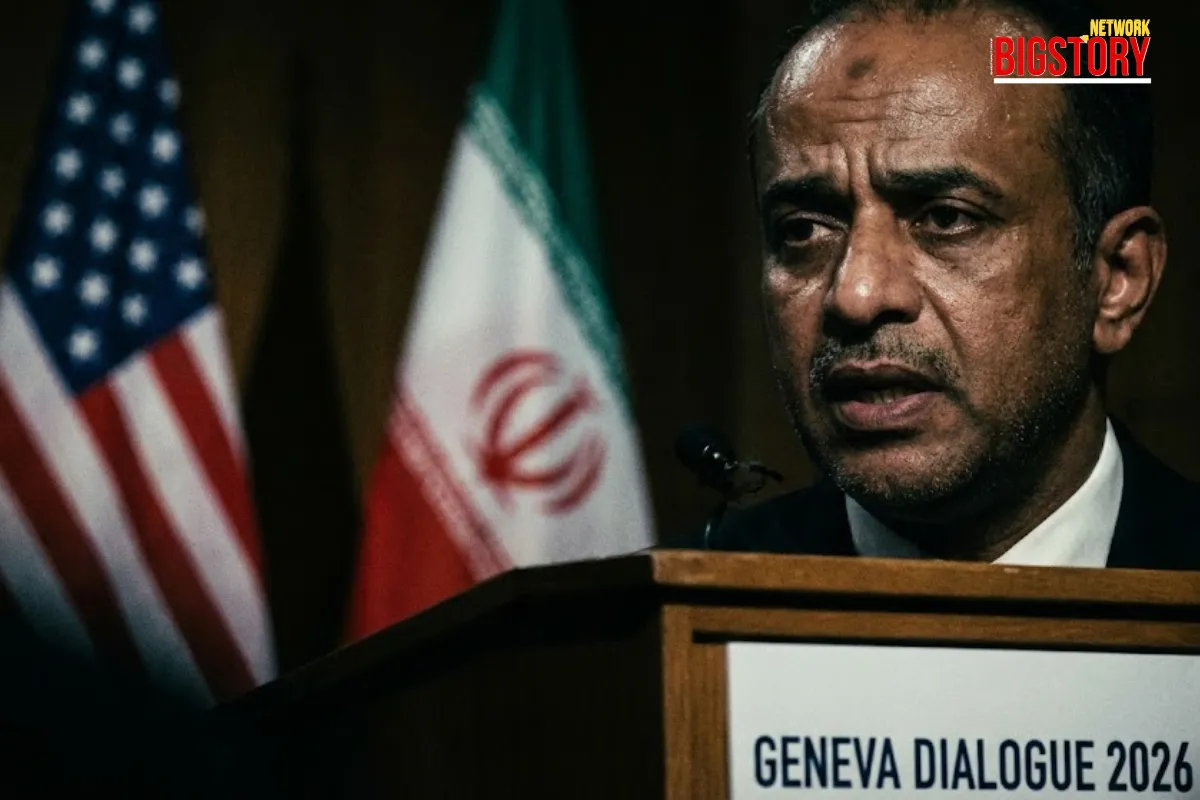
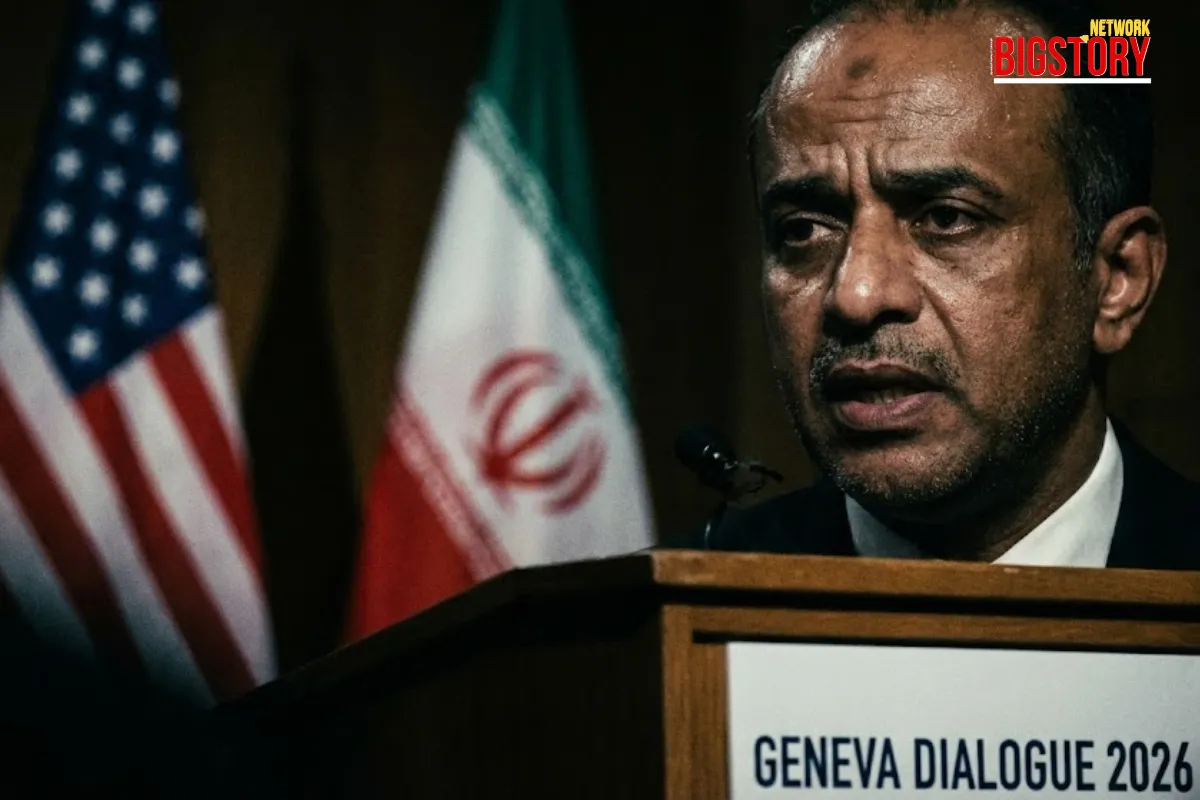
Hero Image

The countdown to a catastrophic regional war may have just been halted. Following a tense third round of indirect talks in Geneva, Oman has emerged as the geopolitical savior of the Middle East. On Friday, Omani Foreign Minister Sayyid Badr Albusaidi announced that American and Iranian negotiators have reached a framework agreement that ensures Tehran will "never, ever" possess the nuclear material required to build a bomb.

This matters because it dramatically diffuses the ticking time bomb set by President Donald Trump's "10-15 day" military ultimatum issued on February 19. Just as the U.S. Navy finalized its massive Carrier Group buildup in the Persian Gulf, diplomacy broke through. By committing to a "zero stockpiling" policy and agreeing to blend down its highly enriched 60% uranium to safe, civilian levels, Iran has offered Washington a viable off-ramp from a pre-emptive strike, substituting the threat of bunker-buster munitions with an unprecedented diplomatic compromise.

The "BigStory" Angle (The "Irreversible Fuel" Gambit & Verification AI)

Mainstream media is framing this purely as a U.S. victory regarding "zero enrichment." They are entirely missing the brilliance of the "Irreversible Fuel" Gambit.

The actual technical breakthrough involves the conversion of Iran's 8,000 kg stockpile into irreversible fuel. This is a masterstroke of diplomatic face-saving. It allows Iran to keep its nuclear technology and national dignity intact on domestic soil, while simultaneously satisfying President Trump's demand by physically removing the possibility of a sudden "breakout" to a nuclear weapon.

Furthermore, watch the Verification AI implementation. The proposed deal reportedly ditches the old model of periodic, highly politicized human inspections. Instead, it introduces "always-on," AI-driven surveillance architecture at the deeply buried Fordow and Natanz facilities.

This cutting-edge system allows the IAEA to detect a single centrifuge modification or abnormal isotopic signature within seconds, providing the U.S. with the absolute certainty required to justify sanctions relief.

The Context (Rapid Fire)

  • The Trigger: The current crisis began when Iran started aggressively rebuilding its nuclear infrastructure following the devastating 12-day regional war and U.S.-Israeli strikes of June 2025.
  • The Backstory: Tensions peaked on February 24 during the State of the Union, where Trump reaffirmed his absolute demand for "zero enrichment," setting the stage for the make-or-break indirect talks in Geneva.
  • The Escalation: The stakes were perfectly summarized by Iran’s Foreign Minister Abbas Araghchi, who noted the delegations had a "historic opportunity" to strike a deal, provided diplomacy was prioritized over military ultimatums.

Key Players (The Chessboard)

  • Badr Albusaidi (The Mediator): Oman's Foreign Minister, who successfully navigated the deep hostility between Washington and Tehran to deliver the "zero stockpiling" breakthrough.
  • Donald Trump (The Driver): The U.S. President whose hardline 10-day ultimatum forced the issue to a head, and who is currently weighing the final Omani technical proposal against his standing military strike options.
  • Abbas Araghchi (The Pragmatist): Iran's Chief Negotiator, tasked with balancing his nation's "dignity" and domestic hardliner pressure with the desperate need for economic sanctions relief.

The Implications (Your Wallet & World)

  • Short Term (Market Relief): Global energy markets, which had priced in a severe disruption of the Strait of Hormuz, are expected to rally significantly on Monday. Travelers and investors should closely monitor the Vienna technical talks scheduled for March 2.
  • Long Term (A 3-5 Year Pause): If the technical parameters are finalized in Vienna, expect a formal "Peace Signing" by the end of next week. This would lock in Iran's proposal to pause all higher enrichment for 3 to 5 years in exchange for "minimal," targeted sanctions relief, stabilizing the Middle East through the end of the decade.

The Closing Question

Oman’s mediation has seemingly pulled both nations back from the brink of war by substituting physical inspections with AI surveillance and down-blending. Will this technological compromise finally end the decades-long nuclear standoff, or is it just another temporary pause? Tell us in the comments.

FAQs

  • Q: Is there a new Iran nuclear deal in February 2026?
  • A: As of February 27, 2026, there is a major framework breakthrough. While a final treaty has not yet been signed, Omani mediators state a "peace deal is within our reach" based on new Iranian concessions.
  • Q: What did Oman's Foreign Minister say about the Iran-US talks?
  • A: Omani Foreign Minister Sayyid Badr Albusaidi announced that Iran has agreed to "never ever have nuclear material that will create a bomb," highlighting a historic commitment to "zero stockpiling."
  • Q: Will Iran stop enriching uranium to 60%?
  • A: Yes. Under the proposed framework, Iran has offered to halt 60% enrichment and physically "down-blend" its existing highly enriched stockpile into irreversible, civilian-grade fuel.
  • Q: What are the "zero stockpiling" conditions in the new Iran proposal?
  • A: The "zero stockpiling" condition mandates that Iran cannot maintain a reserve of highly enriched uranium. Its estimated 8,000 kg stockpile must be either exported to nations like the U.S. or Russia, or permanently down-blended under continuous, AI-driven IAEA verification.

Sources:


Ritika Das
Ritika Das Editor

Experienced editor focused on healthcare and social issues, including criminal justice. Her work reflects deep investigative rigor and a commitment to social impact through journalism.

BIGSTORY Trending News! Trending Now! in last 24hrs
Zero Stockpiling: Inside the Last-Minute Deal That Could Avert a Middle East War
Technology
Zero Stockpiling: Inside the Last-Minute Deal That Could Avert a Middle East War
The Regime Change Gambit: Why "Operation Epic Fury" is More Than a Nuclear Strike
Technology
The Regime Change Gambit: Why "Operation Epic Fury" is More Than a Nuclear Strike
The Transactional Peace: How Trump is Using the Durand Line Crisis to Force Islamabad’s Hand
Technology
The Transactional Peace: How Trump is Using the Durand Line Crisis to Force Islamabad’s Hand
"The Judiciary is Bleeding": Inside the Constitutional Crisis Over an NCERT Chapter
Technology
"The Judiciary is Bleeding": Inside the Constitutional Crisis Over an NCERT Chapter